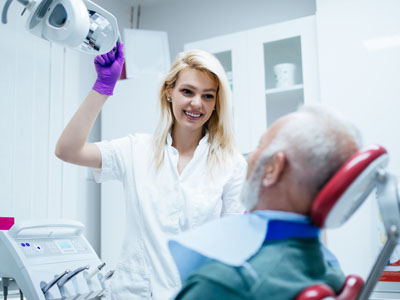
Oral cancers can develop quietly and progress without obvious pain early on. Because lesions in the mouth may be painless at first, routine visual and tactile checks during dental visits are one of the most effective ways to catch changes before they become advanced. Early detection significantly improves treatment options and overall outcomes, which is why screening is a standard component of a comprehensive dental exam.
Screenings are fast, noninvasive, and tailored to each patient’s risk profile. They allow clinicians to observe subtle changes in tissue color, texture, and mobility, as well as to examine nearby lymph nodes and other structures in the head and neck. When abnormalities are discovered, timely follow-up — from monitoring to referral for diagnostic testing — is the next step to clarify what is happening.
Given the potentially serious consequences of missed disease, integrating an oral cancer screening into preventive care is a practical safeguard for long-term oral and overall health. Patients who attend regular examinations gain the added benefit of ongoing surveillance, meaning small changes are less likely to be overlooked over time.
While oral cancer can affect anyone, certain patterns increase risk. Tobacco use — including cigarettes, cigars, pipes, and chewing tobacco — and heavy alcohol consumption are consistently linked to a higher incidence of oral malignancies. Historically, men over 50 with substantial tobacco and alcohol exposure have had elevated risk, but demographic trends are shifting.
Human papillomavirus (HPV), particularly certain strains transmitted through oral sex, has contributed to a rise in oropharyngeal cancers, changing the profile of those affected. Other contributors include excessive ultraviolet exposure to the lips, a history of radiation to the head and neck, chronic acid reflux, poor nutritional status, and occupational exposures to certain chemicals. These factors can act alone or in combination.
Understanding individual risk involves a frank medical history and discussion about lifestyle, sexual history where appropriate, and prior treatments. This personalized approach allows the dental team to determine how closely to monitor a patient and whether additional diagnostic steps are warranted.
A screening typically begins with a brief review of the patient’s health history and any new symptoms or concerns. The clinician will then perform a methodical exam of the lips, oral mucosa, tongue (top, sides, and under-surface), floor of the mouth, palate, gums, and the back of the throat. The neck and jawline are also palpated to check for enlarged lymph nodes or other unusual masses.
The physical exam relies on careful observation and touch: changes in color (white or red patches), unexplained ulcers, thickened areas, or lumps can prompt further evaluation. In some practices, adjunctive tools such as specialized lights or oral cancer screening devices may be used to enhance visualization, but these do not replace a thorough clinical assessment by a trained professional.
When anything suspicious is found, the next steps may include photographic documentation, a monitoring schedule, or referral for biopsy and imaging. Clear communication about findings, the level of concern, and recommended follow-up is an important part of the visit, so patients leave with a concrete plan.
Early warning signs can be subtle and are not always painful. Look out for persistent sores or ulcers that don’t heal within two weeks, unexplained red or white patches, an unusual lump or thickening in the mouth or neck, numbness, or persistent hoarseness or difficulty swallowing. Any of these signs warrant prompt evaluation even if they seem minor.
Routine self-checks — simply examining the lips, cheeks, tongue, and roof and floor of the mouth in a mirror — can help patients notice new or changing areas between dental appointments. Patients should also report symptoms such as bleeding from the mouth without an obvious cause, loose teeth not explained by dental disease, or chronic oral discomfort that doesn’t resolve with usual care.
Because some symptoms overlap with benign conditions, a professional assessment is necessary to determine whether further testing is needed. Timely communication with your dental team ensures that suspicious findings are tracked and managed appropriately rather than dismissed or overlooked.
At the practice, we follow a consistent screening protocol to ensure every patient receives thorough attention. The process includes a structured oral and head-and-neck exam, documentation of any irregularities with notes and images when appropriate, and a discussion of risk factors that may influence surveillance frequency. This systematic approach helps ensure nothing important is missed over time.
If a lesion or abnormality is detected, our priority is clarity and coordinated care. Depending on the clinical appearance, we may recommend short-term observation with scheduled reassessment, or we may refer to an oral surgeon or ENT specialist for biopsy and advanced diagnostic testing. Clear, timely referrals and communication are key components of quality care when further evaluation is needed.
Dr. Pratix Shroff and our team emphasize patient education alongside screening: we explain what we observe, why it matters, and what options are available. This collaborative approach helps patients make informed choices about monitoring or pursuing diagnostic procedures, and ensures ongoing support throughout diagnosis and treatment pathways when necessary.
In summary, oral cancer screening is a simple but powerful element of preventive dentistry. Regular exams help catch early changes that are easier to treat and control. If you’d like to learn more about our screening process or have concerns about a symptom, please contact All Bright Dental PC for more information.

Oral cancer refers to malignant tumors that develop in the tissues of the mouth and oropharynx. It accounts for 2.9 percent of all cancer diagnoses in the United States, and the American Cancer Society estimates about 51,000 new cases and 10,000 deaths this year. The most common sites include the tongue, tonsils and oropharynx as well as the gums, floor of the mouth, lips, cheek lining and hard palate.
Early detection greatly improves treatment outcomes, which is why routine screening is important. Advances in treatment and increased awareness have helped reduce the overall death rate over past decades. However, the recent rise in HPV-related oropharyngeal cancers highlights the need for continued vigilance during exams.
Common signs of oral cancer include a persistent sore or ulcer that does not heal, white or red patches on the lining of the mouth, and a lump or thickening in the cheek or on the tongue. Other warning signs can include unexplained bleeding, numbness, difficulty swallowing, persistent hoarseness, or a change in how the teeth fit together. Symptoms that continue beyond two weeks should prompt evaluation by a dental or medical professional.
Many of these symptoms can be caused by less serious conditions such as infections or irritation, so a professional examination is necessary to determine the cause. Your dentist will document findings and recommend follow-up testing if anything suspicious is found. Timely assessment helps distinguish benign issues from those that require biopsy or specialist care.
People at higher risk for oral cancer include men, adults over age 50, tobacco users and heavy alcohol consumers. Other risk factors include prolonged ultraviolet exposure to the lips, a history of head and neck radiation, gastroesophageal reflux disease, exposure to certain workplace chemicals, and poor nutrition. Infection with high-risk strains of human papillomavirus (HPV) has also contributed to an increase in oropharyngeal cancers in recent years.
Although some groups face greater risk, oral cancer can affect anyone, including younger people and those who do not use tobacco. Regular screening and awareness of early symptoms are important for everyone. Discuss your personal risk factors during your dental visit so the screening can be tailored to your needs.
An oral cancer screening begins with a review of your medical and dental history and questions about changes in your oral or overall health. The dentist will perform a visual inspection of the lips, tongue, gums, floor and roof of the mouth, and will palpate the head and neck to check for lumps or swollen lymph nodes. The process is noninvasive, quick, and can be completed as part of a routine dental exam.
If the clinician identifies an area of concern, they may take photographs, use adjunctive tools, or recommend further testing to clarify the finding. A tissue sample obtained through a biopsy is the only way to make a definitive diagnosis, and your dentist will coordinate referral to an oral surgeon or ENT when appropriate. Prompt follow-up ensures the best possible outcome if treatment is needed.
Most adults should receive an oral cancer screening at least once a year as part of a comprehensive dental examination. Patients with higher risk — such as tobacco users, heavy drinkers, or those with a history of head and neck radiation — may need more frequent checks based on clinical judgment. Routine screenings allow your dental team to track changes over time and identify suspicious areas early.
At All Bright Dental PC, oral cancer screening is integrated into regular exams to make prevention and early detection convenient for patients. Your dentist will discuss any recommended follow-up or monitoring and work with you to create an appropriate schedule. Open communication about your symptoms and risk factors helps the team tailor care to your needs.
Screening can identify visual and physical signs that suggest HPV-associated oropharyngeal cancer, but some HPV-related tumors develop deeper in the throat and may be more difficult to detect on a routine oral exam. Because of this, persistent throat symptoms such as difficulty swallowing, a lump in the neck, or chronic hoarseness should be evaluated promptly by a dental or medical provider. Discussing your sexual and vaccination history with your providers can help guide risk assessment and preventive steps.
HPV vaccination has reduced the prevalence of the high-risk virus strains linked to many oropharyngeal cancers, and public health experts encourage vaccination according to current guidelines. Your dentist can advise when specialist referral is needed but vaccination and other preventive measures are typically managed by your primary care clinician. Coordinated care between dental and medical teams improves detection and prevention strategies.
If your dentist finds a suspicious lesion during screening, they will document its size, color and location and may take intraoral photographs to monitor changes. The clinician may use adjunctive tests or perform a brush biopsy in the office, but these are screening aids rather than definitive diagnostics. When findings remain concerning, your dentist will recommend a surgical biopsy or refer you to an oral surgeon or ear, nose and throat specialist for further evaluation.
A formal tissue biopsy examined by a pathologist is the only way to confirm cancer, so timely referral is important when recommended. The goal of prompt evaluation and diagnosis is to begin appropriate treatment as early as possible, which improves outcomes. Your dental team, including Dr. Pratix Shroff when appropriate, will help coordinate referrals and follow-up care.
Adjunctive screening tools include fluorescence visualization devices, toluidine blue staining, and brush cytology, all of which can help highlight areas that merit closer examination. These technologies can improve visibility of subtle lesions but are not replacements for a thorough clinical exam. The choice to use adjunctive tools depends on clinician training, patient risk factors, and clinical findings.
Results from adjunctive tests can guide the decision to monitor an area more closely or to refer for biopsy, but they do not provide a definitive diagnosis. Dentists interpret these results in the context of the overall exam and your history. When there is uncertainty, specialists and pathologists play a central role in diagnosis and treatment planning.
You can reduce your oral cancer risk by avoiding tobacco in all forms, limiting alcohol consumption, protecting your lips from excessive sun exposure, and maintaining a balanced diet rich in fruits and vegetables. Good oral hygiene and regular dental visits for professional cleanings and exams also support early detection of suspicious changes. Discuss management of reflux, workplace exposures, or other health concerns with your primary care provider to address contributing factors.
Vaccination against high-risk strains of HPV can lower the likelihood of HPV-associated oropharyngeal cancers and is an important public health measure. Your dental team can remind you about screening, but decisions about vaccination and medical management should be made with your medical provider. Combining prevention strategies with routine screenings provides the best protection.
No special preparation is required before an oral cancer screening; the process is noninvasive and typically performed during a routine dental exam. You may be asked to remove dentures or rinse your mouth so the clinician can view all areas clearly. Screening usually takes only a few minutes but provides valuable information about your oral health.
Bring a list of current medications and be ready to describe any symptoms, tobacco or alcohol use, and relevant medical history so your dentist can assess risk factors accurately. If you notice new or persistent oral symptoms between visits, contact your dental office promptly rather than waiting for your next scheduled appointment. Early communication helps ensure timely evaluation and follow-up when needed.

Have questions about your care or want to schedule an appointment?
We are here to make your dental care easy, comfortable, and convenient. Whether you have a question about our services, need help scheduling an appointment, or are ready to take the next step toward a healthier smile, we invite you to reach out. Our friendly team is always happy to assist you. Give us a call, send us a message, or fill out our online contact form. We look forward to hearing from you and welcoming you to our practice.