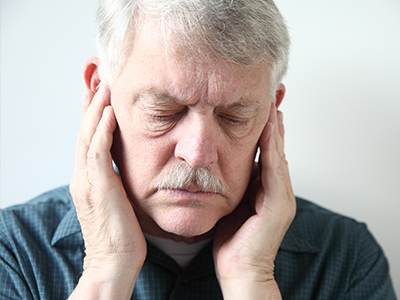
Temporomandibular joint (TMJ) disorders, often shortened to TMJ or TMD, affect millions of people and are a leading cause of chronic facial pain and jaw dysfunction. The National Institute of Dental and Craniofacial Research notes that these conditions are common and can range from short-lived discomfort to persistent problems that interfere with daily activities. At All Bright Dental PC in Floral Park, we take a patient-centered approach to understanding and managing TMJ issues so patients can return to comfortable, functional jaw use.
The temporomandibular joints sit on each side of the head and connect the lower jaw (mandible) to the skull. Each joint contains a cushioned disc that allows the rounded end of the jawbone to glide smoothly within the temporal bone. This combination of hinge and sliding movements enables chewing, speaking, yawning and subtle shifts in bite alignment.
Because the TMJ works with multiple muscles, ligaments and teeth, even a small change in one part of the system can affect the whole. For example, tight muscles from clenching can alter how the disc moves, leading to pain or clicking. Understanding that the jaw is part of a larger functional network helps explain why symptoms can appear in different places—ears, neck, or head.
Clinically, the TMJ’s complexity means diagnosis and treatment often require a careful stepwise approach. Rather than rushing to invasive solutions, clinicians typically start with conservative strategies that target the interacting parts of the jaw system and monitor how symptoms respond over time.
TMJ disorders do not always present the same way in every person. Some patients notice intermittent jaw pain or stiffness that worsens with chewing, while others first experience frequent headaches or ear-related symptoms like fullness or ringing. Many people also describe popping, clicking, or a sensation that the jaw "catches" during movement.
Limited mouth opening or episodes of jaw locking can be especially disruptive, making routine activities such as eating or dental care difficult. Muscle tenderness around the temples, jawline, or neck is common and may occur with or without joint-specific sounds. Because these symptoms overlap with other conditions, a careful clinical assessment helps identify TMJ as the primary source.
It's also important to recognize when symptoms are changing. Worsening pain, increasing frequency of locking, or new neurological symptoms (such as marked dizziness or persistent numbness) warrant prompt evaluation so appropriate diagnostic steps can be taken.
There isn’t a single cause for TMJ disorders; instead, a mix of factors often contributes. Chronic teeth grinding or clenching (bruxism) is one of the most frequent contributors because it places repetitive stress on muscles and the joint. Acute jaw injuries—such as a blow to the face or whiplash—can also damage joint structures and trigger long-term symptoms.
Systemic conditions like rheumatoid arthritis or osteoarthritis can affect the TMJ’s internal surfaces and accelerate wear or inflammation. Changes in bite relationships from tooth loss, extensive dental work, or orthodontic movement may influence joint mechanics, though they are rarely the sole cause of a disorder.
Finally, emotional stress and poor posture can increase muscle tension around the jaw and neck, amplifying discomfort. Identifying and addressing contributing lifestyle or health factors is an essential part of building an effective treatment plan.
A thorough TMJ assessment begins with a focused history and hands-on exam. Your dental team will ask about the onset, pattern and severity of symptoms, then evaluate jaw range of motion, listen for joint noises, and palpate muscles for tenderness and trigger points. This clinical snapshot helps differentiate muscle-related pain from joint-based problems.
When necessary, imaging studies such as panoramic X-rays, cone beam computed tomography (CBCT), or MRI can provide additional detail about bone structure and soft tissues. MRI, in particular, can be helpful for visualizing disc position and inflammatory changes, while CBCT offers high-resolution views of bony anatomy.
In some cases, a multidisciplinary approach is recommended. Collaboration with physical therapists, pain specialists, or an oral and maxillofacial surgeon ensures that complex or refractory cases receive coordinated care, with referrals made only when the clinical findings indicate they will add value to treatment.
Conservative therapies are the foundation of TMJ management and often bring meaningful relief. Simple self-care measures—soft diet, avoiding extreme jaw movements, applying warm compresses, and adopting relaxation techniques—help reduce strain and give inflamed tissues time to recover. Patients frequently find these measures effective when used consistently.
Stabilization appliances, such as custom-made night guards, can protect teeth and reduce muscle activity during sleep. Physical therapy and guided jaw exercises work to restore balanced muscle function and improve joint mobility, and many patients benefit from a combination of therapies tailored to their specific findings.
When conservative care is insufficient, targeted interventions may be considered. These can include anti-inflammatory injections to reduce joint swelling, occlusal adjustments when a bite problem contributes to symptoms, or restorative and orthodontic strategies to improve long-term function. Surgery is reserved for a small subset of patients with structural joint damage that does not respond to other treatments.
Throughout treatment, the goal is to relieve pain, restore comfortable jaw function, and address modifiable contributors such as bruxism or posture. Progress is monitored closely and plans are adjusted based on how symptoms respond, with an emphasis on minimizing invasiveness while maximizing quality-of-life improvements.
If you are experiencing jaw pain, clicking, limited opening, or other signs of a TMJ disorder, our team at All Bright Dental PC can help you understand the likely causes and outline sensible treatment options. Contact us for more information or to schedule an evaluation so we can work with you toward lasting relief.

TMJ disorders arise from a variety of causes including muscle tension, bruxism (teeth grinding), trauma to the jaw, and inflammatory or degenerative joint conditions. Displacement of the cushioning disc within the joint or changes to the joint surfaces can also lead to dysfunction. Hormonal factors, genetic predisposition and stress that increases jaw clenching may play contributing roles.
Repetitive motion such as frequent gum chewing or biting on hard objects increases mechanical strain on the joint and surrounding muscles. Malocclusion and long-term dental issues that alter how the teeth meet can change joint loading patterns and promote symptoms. Because multiple factors often act together, a thorough evaluation is needed to identify the primary drivers of a patient’s problem.
Common symptoms of TMJ disorders include jaw pain or tenderness, clicking, popping or grating sounds when the jaw moves, and limited range of motion. Patients may also experience episodes of jaw locking, difficulty chewing, or a change in how the upper and lower teeth fit together. Symptoms may be intermittent or persistent and often worsen with jaw use or stress.
TMJ problems frequently present with associated signs such as headaches, ear pain or ringing in the ears, neck and shoulder discomfort, and facial muscle spasms. Because these complaints overlap with other conditions, a careful history and examination are important to link them to the temporomandibular joints. Severity and the specific mix of symptoms vary widely between patients.
Diagnosis begins with a focused clinical history and physical examination of the jaw, facial muscles and bite mechanics. The dentist will palpate the muscles and joint, observe jaw movements, listen for noises, and document the pattern of pain and dysfunction. A pain and function assessment helps distinguish muscular causes from internal joint problems.
When indicated, imaging such as panoramic radiography, cone beam CT for bony detail or MRI for disc position may be ordered to clarify the underlying pathology. All Bright Dental PC works with imaging specialists and, when appropriate, coordinates referrals to oral surgeons, ENT physicians or physical therapists to ensure a comprehensive diagnostic approach. Together these tools enable a treatment plan tailored to the specific diagnosis and severity of the disorder.
Conservative, non-surgical therapies are the first-line approach for most patients and aim to reduce pain and improve joint function. These therapies include patient education, soft diet, targeted jaw exercises, physical therapy, and the use of custom occlusal splints or night guards to reduce muscle overactivity. Short-term medications such as anti-inflammatories or muscle relaxants may be recommended to control acute symptoms while other therapies take effect.
Behavioral strategies like stress management, biofeedback and sleep hygiene can diminish parafunctional habits such as clenching that worsen TMJ symptoms. Dental interventions such as occlusal adjustment or restorative care may be considered when bite problems significantly contribute to joint stress. Most patients experience measurable improvement with a combination of these conservative measures when implemented consistently under professional guidance.
Surgery for TMJ disorders is generally reserved for patients with severe, persistent structural problems that do not respond to conservative care. Indications may include irreversible degenerative joint disease, significant disc displacement with functional compromise, or traumatic damage to the joint structures. Because surgical procedures carry risks, they are considered only after a thorough diagnostic workup and multidisciplinary evaluation.
Options range from minimally invasive arthroscopy to open joint procedures, each with distinct benefits and recovery profiles that must be weighed carefully. When surgery is appropriate, coordination between the dental team and an oral and maxillofacial surgeon ensures the best possible outcome and postoperative rehabilitation plan. Preoperative planning and postoperative therapy are essential to restore function and reduce the chance of recurrence.
A custom-made night guard or stabilization splint can be an effective conservative tool to reduce joint strain and protect teeth from bruxism. These appliances work by redistributing occlusal forces, minimizing abnormal muscle activity, and limiting harmful jaw movements during sleep. They are often used as part of a broader management plan rather than as a standalone cure.
Over-the-counter devices may provide temporary relief but often lack the fit and balanced contacts of a professionally fabricated appliance, which can affect effectiveness. Proper adjustment and regular follow-up with the dentist are crucial to ensure the splint is helping rather than exacerbating symptoms. If symptoms persist despite appliance therapy, further evaluation is needed to refine the diagnosis and treatment approach.
Self-care and lifestyle modifications are foundational to TMJ management and can produce meaningful symptom relief for many patients. Recommended steps include eating soft foods, avoiding hard or chewy items, limiting wide yawning, and maintaining relaxed jaw posture throughout the day. Applying ice during acute flares and heat for muscle tightness can also reduce discomfort when used appropriately.
Stress reduction techniques such as progressive muscle relaxation, mindfulness and biofeedback help decrease unconscious clenching and muscle tension. Posture correction and ergonomic adjustments, particularly for people who work long hours at desks, can reduce neck and jaw strain that contributes to symptoms. Consistency over weeks is often necessary before patients notice substantial improvement, so these measures should be practiced regularly.
Yes, TMJ disorders commonly produce headache and ear-related symptoms because the muscles and nerves in the jaw are closely connected to those in the head and ear region. Referred pain from the masticatory muscles may mimic tension-type headaches or trigger migraines in susceptible individuals. Ear symptoms such as fullness, tinnitus or discomfort are not uncommon even when the ear itself is healthy.
Because ear and head symptoms have many possible causes, a multidisciplinary evaluation may be needed to rule out primary ENT or neurologic conditions. Dentists, ENT specialists and neurologists often collaborate to determine whether the temporomandibular joint is the source and to develop an integrated treatment plan. Timely assessment helps prevent prolongation of symptoms and targets therapy to the correct underlying cause.
The timeline for symptom improvement varies widely and depends on the underlying cause, the severity of the disorder and how consistently patients follow the treatment plan. Many people experience noticeable relief within a few weeks to a few months with conservative care and self-management measures. Others with chronic or degenerative conditions may require longer-term therapy and periodic reassessment.
Regular follow-up allows clinicians to monitor progress and adjust treatments as needed, which can shorten the overall recovery time. Patience and adherence to recommended exercises, appliance use and lifestyle changes are key contributors to a successful outcome. If conservative measures fail to provide adequate relief, escalation to more advanced interventions may be discussed after further evaluation.
See a dentist if you have persistent jaw pain, repeated clicking or locking, difficulty opening the mouth fully, or symptoms that interfere with eating, speaking or sleep. Early evaluation helps identify reversible causes and often prevents progression to chronic dysfunction. If you live in the area, the team at All Bright Dental PC in Floral Park offers comprehensive assessment and non-surgical management options for TMJ concerns.
A thorough dental evaluation will include an exam, assessment of bite and muscle function, and targeted imaging when necessary to guide treatment decisions. When appropriate, the office coordinates care with physical therapists, oral surgeons and ENT specialists to address complex cases. Prompt attention to TMJ symptoms improves the chance of restoring comfortable jaw function and reducing related head and neck pain.

Have questions about your care or want to schedule an appointment?
We are here to make your dental care easy, comfortable, and convenient. Whether you have a question about our services, need help scheduling an appointment, or are ready to take the next step toward a healthier smile, we invite you to reach out. Our friendly team is always happy to assist you. Give us a call, send us a message, or fill out our online contact form. We look forward to hearing from you and welcoming you to our practice.